Inclusive Language Workshop for Bird & Bird Hong Kong & China
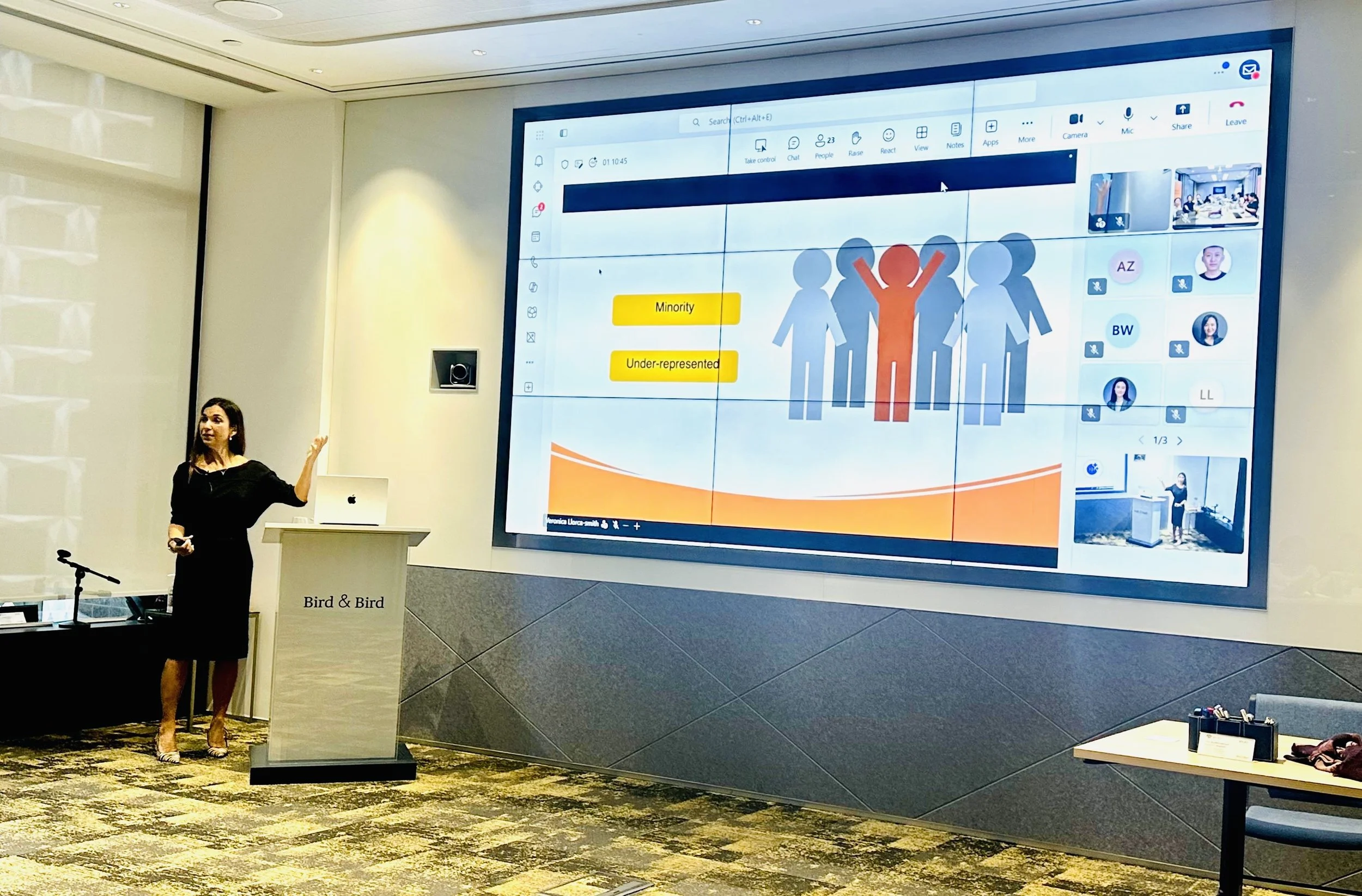
Inclusive Language Session for Bird & Bird
Language as a Catalyst for Inclusion
In June 2026, I delivered a workshop on Inclusive Language for the law firm Bird & Bird. The session was hosted in person in their Hong Kong office and we had participants join remotely from the China team.
I kicked off the event by talking about why inclusive language matters and the impact the way we speak has on individuals, teams, organizations and society overall.
We went through various examples of common daily language that is not inclusive and illustrated how bias influences the way we think and speak:
Gendered language: Chairman, mankind, businessman…
Ageist language: elderly, senile, overqualified…
Ableist language: handicapped, not normal…
Inclusive language is a complex and nuanced topic that must be contextualized to make sense and be relevant in each specific situation. And while you can’t have a dictionary of inclusive terms, we focused on 3 key principles that can work as filters to be more inclusive in our communication:
Neutrality: Very often, our language is not neutral and carries intrinsic judgement.
Words like husband and wife can exclude members of the LGBT+ community.
Using he/she can exclude individuals who identify as non-binary.
Referencing to someone as normal implify some people are abnormal.
Using neutral language ensures we remove preconceptions and bias and treat everyone with respect.
Accuracy: Inclusive language is a true reflection of the reality, yet often times, our words are biased and not accurate:
A bathroom is not disabled but accessible.
A person with autism doesn’t have a mental disability but cognitive diversity.
Women are not a minority: we are under-represented in certain contexts.
Using accurate words ensures we don’t uninentionally exclude others and remove judgment from the description.
People-first language: Neuroscience has proven that when we put the person before the attribute, we highlight the human element instead of the person’s feature. For example:
A person with a disability instead of a disabled person.
A person with epilepsy instead of an epileptic person.
Using people-first language ensures we emphasize the individual over their characteristics.
I then shared various best practices of organizations across different industries that are actively promoting inclusive language in the workplace, from Apple to DOVE, Microsoft, Cathay Pacific, Salesforce and more.
We wrapped up the workshop with group discussions around 2 real scenarios of non-inclusive language in the workplace and brainstormed on what individuals and organizations can proactively do to advocate for inclusive language.
Thanks to the usage of polls, word cloud and open discussion, the workshop was very interactive and participants had a chance to share their own experience with inclusive language. They left the session feeling more aware about the importance of speaking in an inclusive way and having clear principles to use more inclusive alternatives in their communication.
Ready to create a more inclusive workplace?
I would love to help your organization develop inclusive, high-performing teams. Reach out to know more about my sessions on leadership, communication and culture: veronica@veronicallorcasmith.com
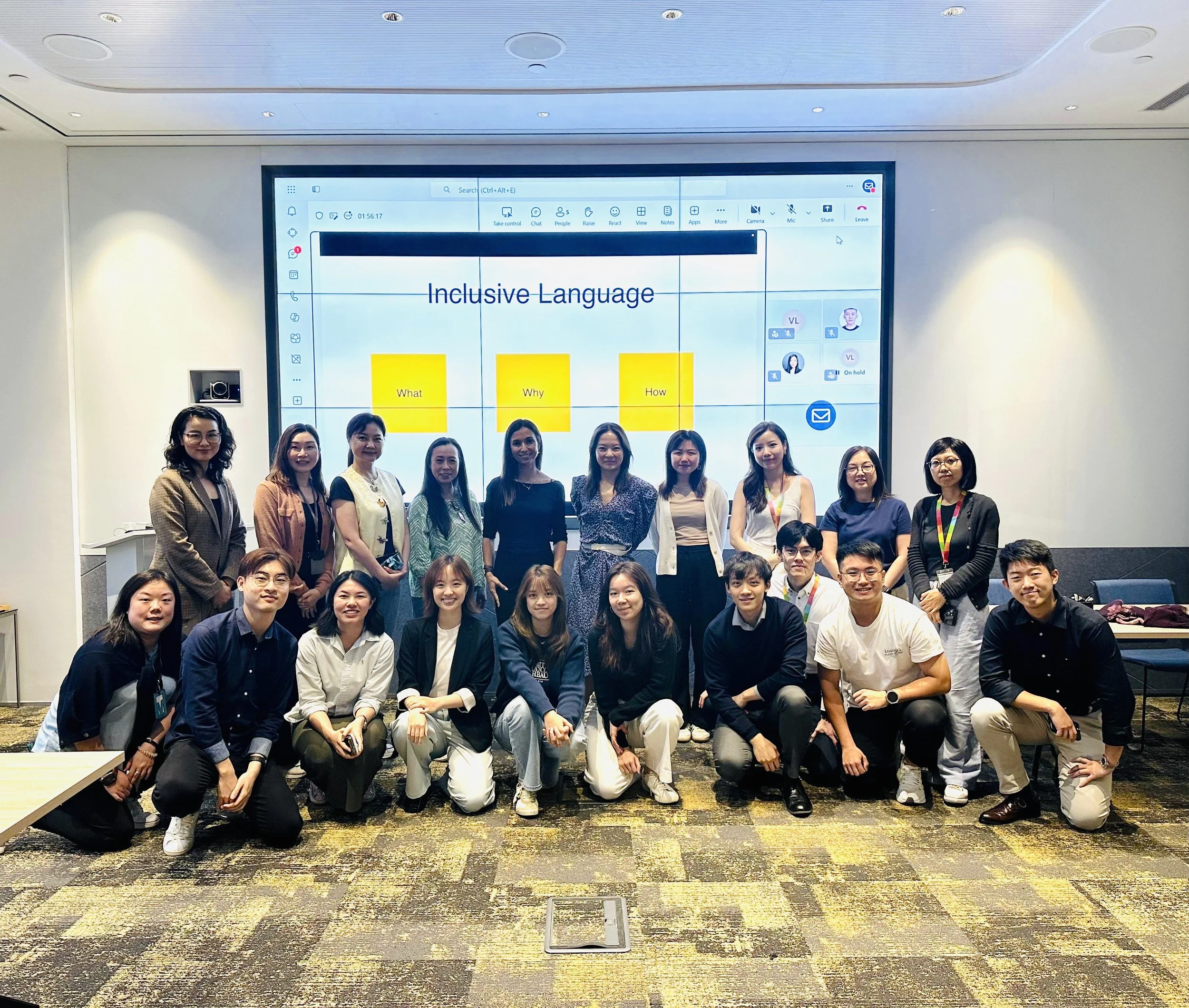
Participants of the Inclusive Language Session at Bird & Bird Hong Kong